Oyun asılılığının profilaktikası: valideynlər üçün praktik tövsiyələr
Digital games are part of many children’s daily lives, and parents often worry about when play becomes harmful. This article offers practical, family-centered approaches to reduce the risk of game addiction and to support children who appear withdrawn or isolated. The focus is on observing behavior, setting consistent routines, and strengthening social and emotional connections at home.
Introduction: why prevention matters
Prevention starts with awareness rather than alarm. Parents who pay attention to changes in mood, routine, or social activity can act early. Small, steady adjustments at home often prevent problems from escalating.
Section 1: recognizing patterns and early warning signs
Families should observe not only screen time but also how gaming fits into the child’s day. Signs to note include neglect of basic responsibilities, withdrawal from family or friends, and sudden mood shifts tied to access to games. These patterns may indicate that play is serving as an escape rather than recreation.
Pay attention to context. A child who spends a lot of time gaming may still be healthy if friendships, schoolwork, sleep, and physical activity are balanced. If those areas start to erode, parents should explore underlying causes gently and factually, without judgment.
Section 2: practical household strategies
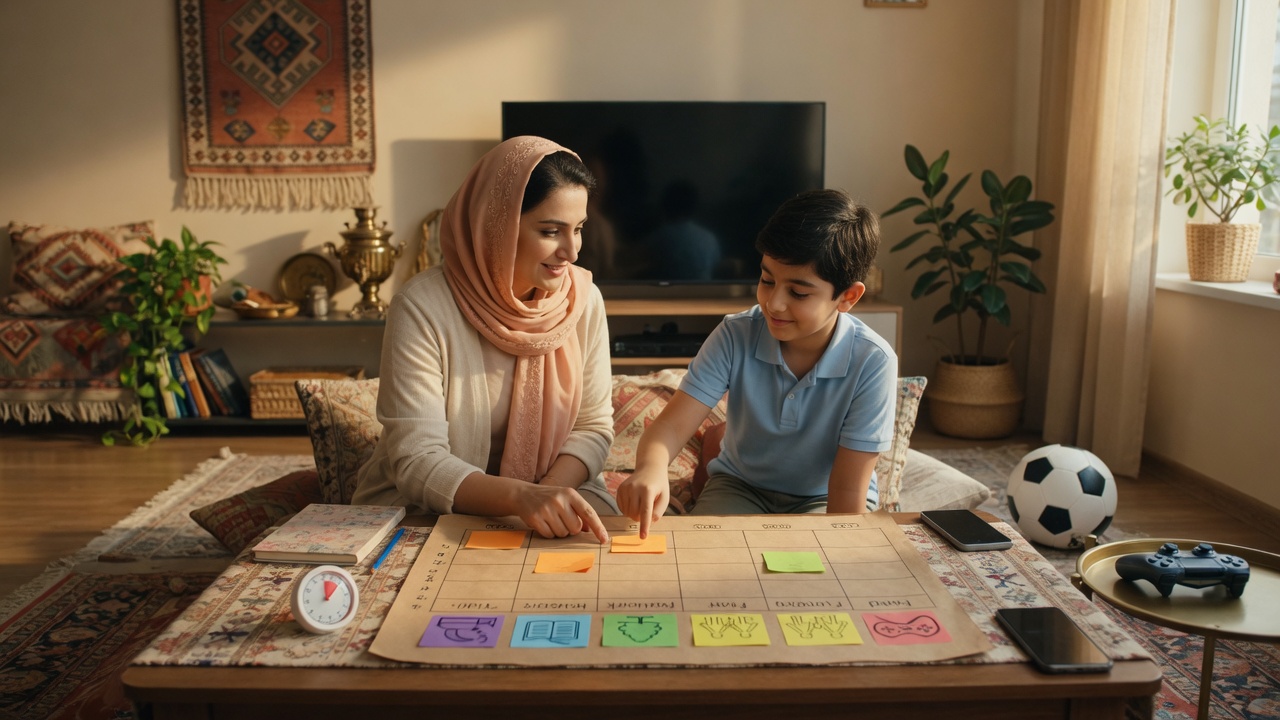
Establishing predictable routines helps children feel secure and reduces the appeal of excessive gaming. Consistent bedtimes, family mealtimes, and designated homework or reading periods make room for leisure without letting it dominate the schedule.
Clear, agreed-upon limits are more effective than arbitrary restrictions. Families can create simple rules together about when and how long gaming is allowed, and what conditions need to be met first. Involving children in rule-making increases their sense of ownership and reduces conflict.
Offer structured alternatives to gaming. Encourage hobbies, outdoor play, and activities that develop skills or social connections. When free time includes varied options, games become one of many healthy choices rather than the default.
Section 3: communication and emotional support
Open conversation about gaming helps families understand the child’s experience. Ask about what they enjoy in games and what social ties they form there. Listening without immediate criticism gives parents a clearer picture of whether gaming is social, creative, or a retreat from other difficulties.
Support emotional needs outside the screen. Children who feel isolated may use games to fill social gaps. Parents can foster face-to-face friendships, family activities, and chances to participate in group settings like clubs or sports. Building these connections can reduce reliance on virtual interactions alone.
Model balanced behavior. Parents’ own routines and attitudes to screens influence children. Demonstrating moderation and varied leisure choices sets practical examples for children to emulate.
Section 4: when to seek additional support
If a child’s behavior changes significantly despite household strategies, families may consider outside help. Conversations with school staff, pediatricians, or child mental health professionals can clarify whether there are underlying issues contributing to withdrawal or excessive gaming. Seeking guidance is a supportive step, not a sign of failure.
Community resources and peer networks may also offer practical ideas and emotional backing for parents. Sharing experiences with other caregivers can normalize challenges and reveal workable solutions.
Conclusion
Preventing game addiction and supporting isolated children relies on attention, routines, and compassionate communication. Early recognition of shifting patterns, clear and collaborative household rules, and efforts to strengthen social bonds at home reduce risk. When concerns persist, consulting professionals and community supports helps families respond effectively and protect a child’s well-being.
